

Can a cross arm beam sensor be used for food processing?
Leave a message

In the dynamic landscape of food processing, the quest for precision, efficiency, and quality control is unending. As a supplier of Cross Arm Beam Sensors, I am often asked whether these sensors can be effectively utilized in food processing. In this blog post, I will delve into the technical aspects, advantages, and potential applications of Cross Arm Beam Sensors in the food processing industry.
Understanding Cross Arm Beam Sensors
Cross Arm Beam Sensors are a type of force sensor designed to measure the force applied to them. They operate on the principle of strain gauges, which are bonded to the surface of the sensor's beam. When a force is applied, the beam deforms, causing a change in the resistance of the strain gauges. This change in resistance is then converted into an electrical signal, which can be measured and used to determine the magnitude of the applied force.
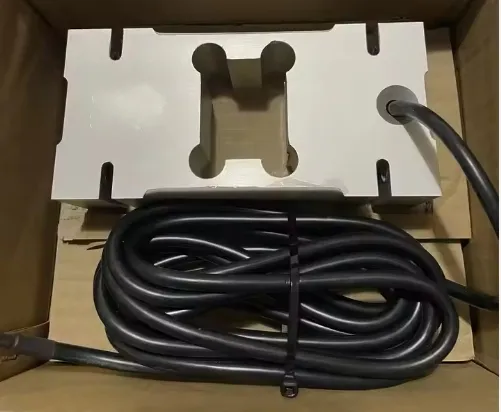

These sensors are known for their high accuracy, reliability, and durability. They are available in a variety of capacities and configurations to suit different applications. For example, the Parallel Beam Load Cell is designed for industrial weighing applications, while the Single point force sensors are suitable for applications where a single point of force measurement is required.
Advantages of Using Cross Arm Beam Sensors in Food Processing
Precision and Accuracy
In food processing, precision is key. Whether it's measuring the weight of ingredients, monitoring the force applied during mixing or pressing, or ensuring consistent portion sizes, accurate measurements are essential for maintaining product quality and consistency. Cross Arm Beam Sensors offer high levels of precision and accuracy, allowing for precise control of various processes in the food industry.
For example, in the production of baked goods, accurate measurement of ingredients such as flour, sugar, and water is crucial for achieving the desired texture and taste. By using Cross Arm Beam Sensors, food manufacturers can ensure that each batch of dough is mixed with the exact amount of ingredients, resulting in consistent product quality.
Hygiene and Cleanliness
The food processing industry has strict hygiene and cleanliness standards to ensure the safety of consumers. Cross Arm Beam Sensors can be designed to meet these requirements. They can be made from materials that are resistant to corrosion and easy to clean, such as stainless steel. Additionally, some sensors are available with a protective coating or enclosure to prevent contamination.
For instance, in a dairy processing plant, where sensors are exposed to milk and other dairy products, a stainless steel Cross Arm Beam Sensor can be used. This sensor can be easily cleaned and sanitized, reducing the risk of bacterial growth and ensuring the safety of the final product.
Durability and Reliability
Food processing environments can be harsh, with exposure to moisture, chemicals, and mechanical stress. Cross Arm Beam Sensors are built to withstand these conditions. They are designed with robust construction and high-quality materials, ensuring long-term durability and reliability.
In a meat processing plant, for example, sensors are often subjected to high levels of force and vibration. A well-designed Cross Arm Beam Sensor can withstand these forces and continue to provide accurate measurements over an extended period of time, reducing downtime and maintenance costs.
Versatility
Cross Arm Beam Sensors can be used in a wide range of food processing applications. They can be integrated into weighing scales, mixing equipment, filling machines, and other processing machinery. This versatility makes them a valuable tool for food manufacturers looking to optimize their production processes.
For example, in a beverage bottling plant, Cross Arm Beam Sensors can be used to measure the weight of the bottles before and after filling. This information can be used to ensure that each bottle is filled with the correct amount of beverage, reducing waste and improving efficiency.
Applications of Cross Arm Beam Sensors in Food Processing
Weighing and Batching
One of the most common applications of Cross Arm Beam Sensors in food processing is weighing and batching. These sensors can be used to measure the weight of raw materials, intermediate products, and finished goods. They can also be used to control the addition of ingredients during the batching process.
In a spice manufacturing plant, for example, Cross Arm Beam Sensors can be used to weigh different spices and ensure that they are mixed in the correct proportions. This helps to maintain the flavor and quality of the final spice blend.
Mixing and Blending
During the mixing and blending process, it is important to monitor the force applied to the ingredients. Cross Arm Beam Sensors can be used to measure the torque and force exerted by the mixing equipment, ensuring that the ingredients are mixed thoroughly and evenly.
In a chocolate manufacturing plant, for example, sensors can be used to monitor the mixing process. By measuring the force applied by the mixer, the operator can adjust the speed and duration of the mixing process to achieve the desired consistency of the chocolate.
Filling and Packaging
In the filling and packaging process, accurate measurement of the product quantity is essential. Cross Arm Beam Sensors can be used to control the filling level of containers, ensuring that each package contains the correct amount of product.
In a cereal packaging plant, for example, sensors can be used to measure the weight of the cereal as it is being filled into boxes. This information can be used to adjust the filling speed and ensure that each box is filled to the correct weight.
Quality Control
Cross Arm Beam Sensors can also be used for quality control purposes. They can be used to measure the hardness, texture, and other physical properties of food products. By monitoring these properties, food manufacturers can ensure that their products meet the required quality standards.
In a fruit processing plant, for example, sensors can be used to measure the firmness of fruits. This information can be used to sort the fruits based on their ripeness and quality, ensuring that only the best fruits are used for further processing.
Considerations When Using Cross Arm Beam Sensors in Food Processing
While Cross Arm Beam Sensors offer many advantages in food processing, there are some considerations that need to be taken into account.
Compatibility with Food Products
It is important to ensure that the sensor materials are compatible with the food products being processed. Some sensors may contain materials that can react with certain food ingredients, leading to contamination or product quality issues. Therefore, it is essential to choose sensors that are specifically designed for use in the food industry.
Calibration and Maintenance
To ensure accurate measurements, Cross Arm Beam Sensors need to be calibrated regularly. Calibration involves comparing the sensor's output with a known standard and adjusting it if necessary. Additionally, regular maintenance is required to keep the sensors in good working condition.
Integration with Existing Systems
When using Cross Arm Beam Sensors in food processing, it is important to ensure that they can be easily integrated with existing processing equipment and control systems. This may require the use of appropriate interfaces and software.
Conclusion
In conclusion, Cross Arm Beam Sensors can be effectively used in food processing. Their precision, accuracy, hygiene, durability, and versatility make them a valuable tool for food manufacturers looking to improve their production processes and ensure product quality. Whether it's weighing ingredients, monitoring mixing processes, or controlling filling levels, these sensors can play a crucial role in the food industry.
If you are interested in learning more about how our Cross Arm Beam Sensor can benefit your food processing operations, please feel free to contact us. We are happy to discuss your specific requirements and provide you with the best solutions.
References
- ISO 22000:2018, Food safety management systems - Requirements for any organization in the food chain
- ASTM E3009 - 15, Standard Guide for Selection of Load Cells for Weighing Applications
- Various industry whitepapers on food processing technology and sensor applications


